Behind the Scenes: How Algorithms Keep Casino Games Fair

Behind the Scenes: How Algorithms Keep Casino Games Fair
When you hit “spin” on a slot machine or place a bet on a digital roulette wheel, there’s far more happening behind the screen than flashing lights and sound effects. Beneath the surface, sophisticated algorithms ensure that every game runs fairly, randomly, and in compliance with strict regulations. But how do these systems actually work—and how can players trust that the balance between luck and the house edge is maintained?
Randomness at the Core
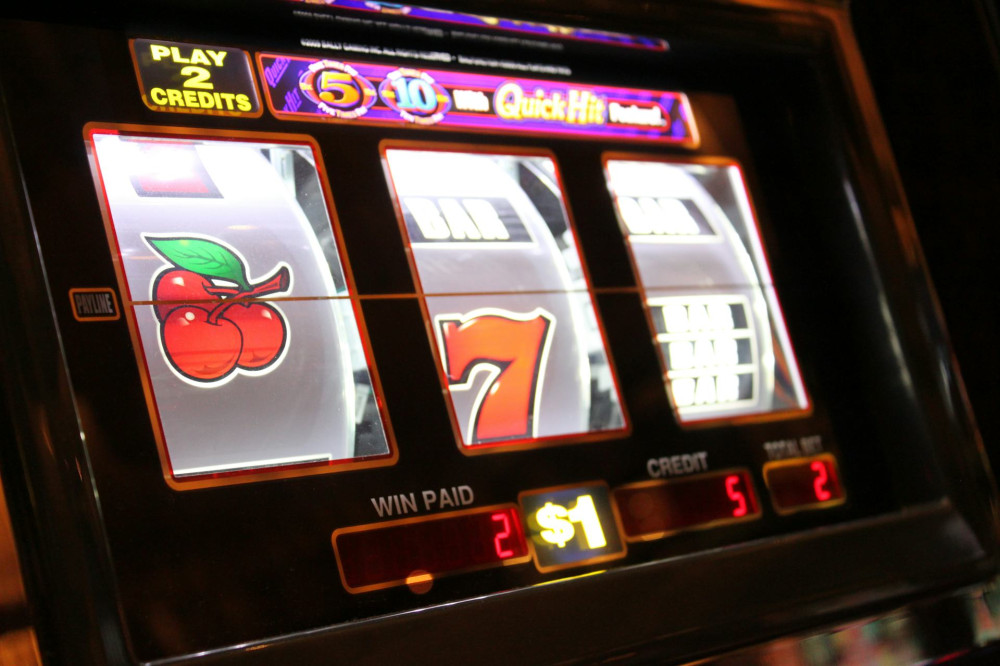
At the heart of every casino game lies randomness. To make sure no one can predict the outcome, casinos rely on Random Number Generators (RNGs)—algorithms that continuously produce unpredictable sequences of numbers. These numbers determine where the roulette ball lands, which cards are dealt, or which symbols appear on a slot reel.
An RNG acts as the game’s “heartbeat.” It runs nonstop, even when no one is playing, generating millions of numbers per second. When you press “play,” the system stops at a random moment and uses the current number to decide the result. This ensures that each round is completely independent—just like rolling a real die.
Testing and Certification – How Fairness Is Verified
To guarantee that these algorithms can’t be manipulated, they’re tested by independent laboratories. Organizations such as Gaming Laboratories International (GLI), eCOGRA, and iTech Labs audit casino software to confirm that the RNG meets the standards for true randomness.
These evaluations include:
- Statistical analysis to verify that outcomes are evenly distributed over time.
- Source code review to ensure the algorithm can’t be tampered with.
- Long-term simulations running millions of game rounds to detect any patterns or biases.
Only games that pass these rigorous tests are approved for use on licensed platforms. This certification gives players confidence that every spin or deal is genuinely random and not influenced by hidden factors.
The House Edge – A Mathematical Constant
Even though outcomes are random, casino games are designed with a built-in house edge—a small statistical advantage that ensures the casino remains profitable over time. The size of this edge varies by game: in American roulette, it’s about 5.26%, while in many slot games it can range from 4% to 6%.
Algorithms maintain this balance without affecting individual results. The system doesn’t “know” when you’ll win or lose; it simply ensures that, over thousands of rounds, the probabilities play out as expected. In the short term, anyone can get lucky—but in the long run, mathematics evens things out.
Læs også:




Fair Play and Responsibility in the Digital Era
As casino gaming has moved online, transparency and player protection have become even more important. Licensed U.S. operators must demonstrate that their algorithms treat all players equally and comply with Return to Player (RTP) requirements—the percentage of total wagers that a game pays back to players on average.
Algorithms also play a role in responsible gaming. By analyzing player behavior, systems can detect signs of risky activity—such as frequent deposits or extended play sessions—and trigger alerts, cooling-off periods, or self-exclusion options. In this way, technology helps protect players as much as it entertains them.
The Future of Fairness – Beyond Randomness
Innovation in gaming technology continues to evolve. Emerging tools like blockchain and cryptographic verification allow for even greater transparency, enabling players to independently confirm that outcomes are random. Meanwhile, developers are experimenting with AI-driven algorithms that personalize the gaming experience without altering the odds of winning.
The future of casino gaming will be built not only on luck but also on trust—trust grounded in mathematics, transparency, and technology that’s constantly tested and refined.
The Invisible Balancing Act
When you play online, it’s easy to forget that every click and every spin is powered by complex calculations. Yet it’s precisely these algorithms that make the experience fair and reliable. Behind the scenes, it’s not magic that keeps the balance alive—it’s math, precision, and a commitment to fairness that ensures every player gets a genuine chance at winning.
Læs også: