From Classic Table Games to Modern Digital Slots: The Technological Evolution of the Casino


From Classic Table Games to Modern Digital Slots: The Technological Evolution of the Casino
From the green felt tables of early gambling halls to today’s immersive digital platforms, the casino industry has undergone a remarkable technological transformation. What once required a trip to a physical venue can now be experienced through a smartphone or computer screen, complete with realistic graphics, sound effects, and live interaction. This evolution tells not only the story of gaming but also of how technology continues to reshape entertainment itself.
From Brick-and-Mortar Casinos to Online Platforms
For decades, casinos were physical destinations—places like Las Vegas, Atlantic City, or tribal casinos across the United States—where people gathered to play cards, roll dice, and spin roulette wheels. The atmosphere, the sounds of slot machines, and the social interaction were all part of the allure.
That began to change in the mid-1990s with the rise of the internet. The first online casinos appeared, allowing players to enjoy blackjack, poker, and slots from home. Early versions were simple, with limited graphics and functionality, but as internet speeds improved and computers became more powerful, online gaming evolved into a sophisticated experience with high-quality visuals, sound, and interactive features.
Slots: From Mechanical Reels to Digital Worlds
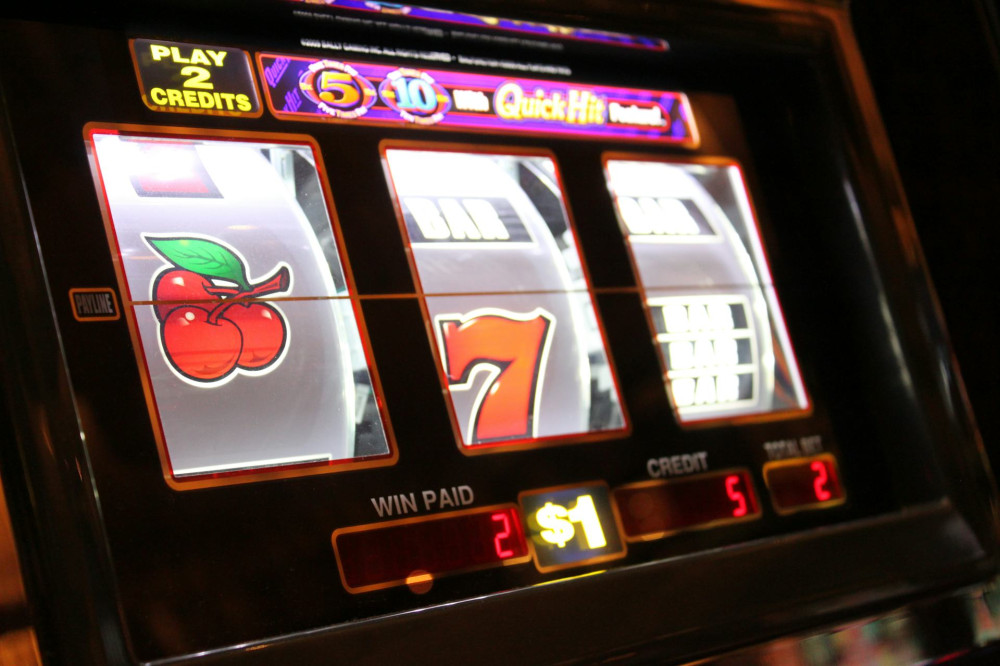
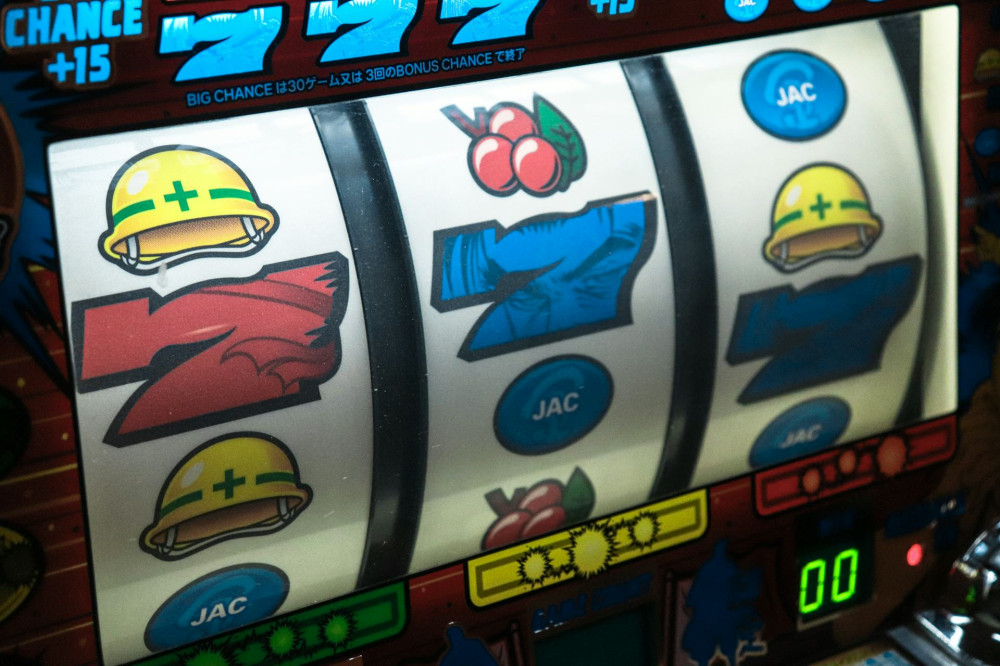
The slot machine—once a mechanical device with spinning metal reels and a lever—has become a symbol of casino innovation. The original “one-armed bandits” have largely disappeared, replaced by digital slots powered by complex software and creative design.
Modern slots are more than just games of chance. They combine storytelling, animation, and sound design to create immersive experiences. Themes range from ancient civilizations to Hollywood blockbusters, and bonus rounds or mini-games add layers of excitement.
Behind the scenes, Random Number Generators (RNGs) ensure that every spin is completely random and fair. This technology preserves the unpredictability that makes slots thrilling while maintaining integrity and transparency.
Mobile Gaming and 24/7 Accessibility
The rise of smartphones revolutionized the casino industry once again. Today, a large share of gaming activity happens on mobile devices. Developers design games specifically for touchscreens, optimizing them for quick loading times and intuitive navigation.
This shift has made casino gaming more personal and accessible. Players no longer need to travel to a casino; they can play a few rounds during a lunch break or while relaxing at home. The convenience has expanded the market and changed how people engage with games of chance.
Læs også:


Live Casinos: Bringing the Human Element Back
While digital gaming offers convenience, many players missed the social aspect of traditional casinos. Live dealer games have bridged that gap. Using high-definition video streaming, players can join real-time games of blackjack, roulette, or baccarat hosted by professional dealers.
These live casinos combine advanced technology—multiple camera angles, fast servers, and interactive chat features—to recreate the atmosphere of a physical casino. It’s a reminder that technology doesn’t have to replace human interaction; it can enhance it in new and engaging ways.
Artificial Intelligence and Personalized Experiences
Artificial intelligence (AI) is now shaping the next phase of casino innovation. AI systems analyze player behavior to offer personalized recommendations, bonuses, and game suggestions. This creates a more tailored experience that keeps players engaged.
AI also plays a growing role in promoting responsible gaming. By detecting patterns that may indicate risky behavior, systems can provide alerts, suggest breaks, or offer support resources. In this way, technology serves both entertainment and player protection.
The Future: Virtual Reality and Blockchain
Looking ahead, the future of casinos points toward even more immersive and transparent experiences. Virtual reality (VR) and augmented reality (AR) are opening the door to fully interactive digital casinos, where players can walk through virtual gaming floors, interact with others, and play at lifelike tables—all from home.
At the same time, blockchain technology and cryptocurrencies are transforming how transactions are handled. Blockchain offers faster, more secure, and transparent payment systems, while some platforms are experimenting with games whose outcomes are verifiable on public ledgers—enhancing trust and fairness.
A Constantly Evolving Industry
The technological evolution of the casino mirrors the broader digital revolution. From mechanical machines to complex algorithms, from physical tables to virtual worlds, the essence of gaming remains the same: excitement, entertainment, and the thrill of possibility.
What has changed is how and where we experience it. With each new innovation—from mobile apps to VR headsets—the casino continues to reinvent itself, proving that in the world of gaming, the next big transformation is always just around the corner.
Læs også: