Multilingualism in Casinos: Increasing Game Accessibility for Everyone

Multilingualism in Casinos: Increasing Game Accessibility for Everyone
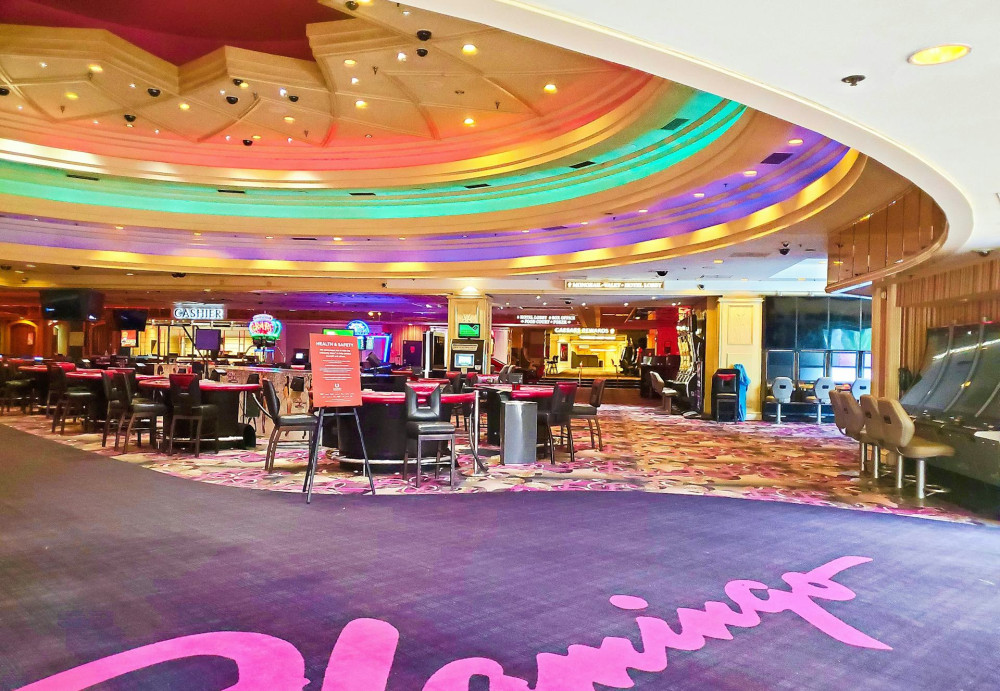
When you step into a modern casino—whether on the Las Vegas Strip or on an online platform—you’re likely to encounter a variety of languages. From English and Spanish to Mandarin, French, and beyond, multilingualism has become a defining feature of today’s gaming experience. But why does language matter so much, and how does it shape accessibility for players across the globe?
A Global Industry Demands Linguistic Flexibility
The casino industry is no longer confined to one region or language. Online gaming platforms attract players from every corner of the world, and competition among operators is fierce. To stand out, casinos must create an environment that feels both welcoming and easy to navigate—and language is at the heart of that effort.
Offering games, interfaces, and support in multiple languages lowers the barrier to entry for new players. It’s not just about understanding the rules; it’s about feeling comfortable and confident while playing. A well-localized casino site signals professionalism, inclusivity, and respect for the player’s background.
Læs også:

Language as Part of the User Experience
Multilingualism goes beyond simple translation. It’s about crafting an experience that resonates culturally as well as linguistically. A casino that understands cultural nuances can tailor its tone, imagery, and communication style to different audiences.
For instance, a U.S.-based casino might emphasize transparency, security, and responsible gaming, while a platform targeting Latin American players could highlight community and celebration. When language and culture align, the experience feels more authentic—and trust naturally follows.
Technology Makes Multilingual Access Easier
In the past, translating casino content required significant time and resources. Today, technology has made the process far more efficient. Many platforms use a combination of automated translation tools and human editors to ensure both accuracy and natural flow.
Artificial intelligence also plays a growing role. AI systems can detect a user’s location or browser language and automatically display the appropriate version of the site. A player logging in from Miami might see Spanish-language options by default, while someone in New York encounters English—no manual settings required.
Multilingual Customer Support: A Key Advantage
Customer service is another area where multilingualism makes a major difference. When players can get help in their own language, satisfaction and trust increase dramatically. Many casinos now offer live chat, phone, and email support in multiple languages, with some maintaining 24/7 multilingual teams to serve global audiences.
For operators, this is an investment that pays off. A positive support experience can determine whether a player stays loyal or switches to a competitor.
Language and Responsible Gaming
Language accessibility also plays a crucial role in promoting responsible gaming. Information about deposit limits, self-exclusion, and addiction support must be clear and understandable to all players. If these resources are available only in one language, some users may miss out on essential help.
By offering responsible gaming tools and information in multiple languages, casinos demonstrate a commitment not just to entertainment, but to player well-being.
A More Inclusive Gaming Experience
Ultimately, multilingualism in casinos is about inclusion. When players from different linguistic and cultural backgrounds can participate on equal terms, gaming becomes more accessible, fair, and enjoyable. It fosters a diverse community where everyone feels welcome—no matter their native language.
As technology continues to evolve, we can expect even more personalized experiences, with language, currency, and content automatically adapting to each user. The result is a casino environment that’s not only more user-friendly, but also more human.
Læs også: