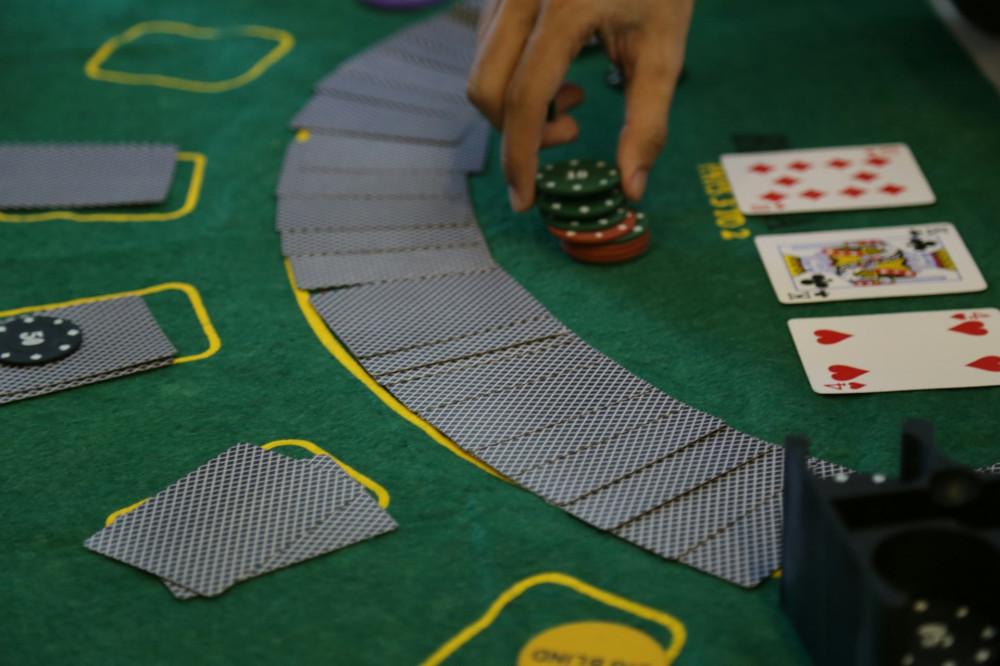
Community and Responsibility: How Social Gaming Experiences Promote Responsible Play

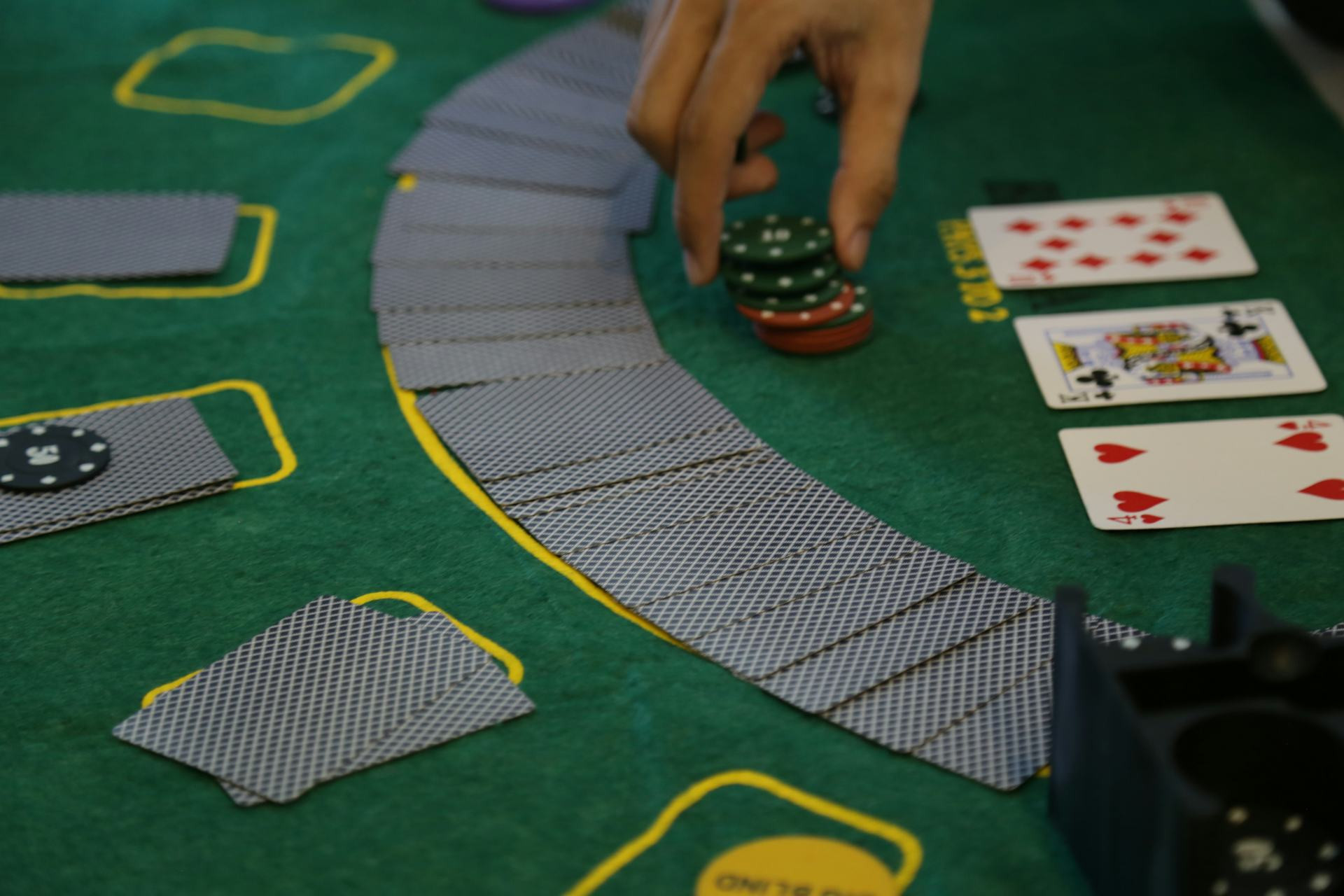
Community and Responsibility: How Social Gaming Experiences Promote Responsible Play
Online gaming has become more social than ever before. What was once a solitary pastime has evolved into a shared experience built around teamwork, communication, and community. From multiplayer video games to online casinos and casual mobile apps, players now connect across states and time zones. But this sense of community isn’t just about fun—it can also play a key role in promoting responsible play. When players support one another, share experiences, and talk openly about limits, it becomes easier to maintain a healthy balance between entertainment and self-control.
Gaming as a Social Experience
In recent years, gaming has transformed from an individual activity into a social space. Voice chat, online tournaments, and community platforms allow players to interact and collaborate in real time. For many, the joy of gaming lies as much in the relationships built as in the competition itself.
This social dimension can help foster healthier gaming habits. Playing with others often encourages breaks, discussions about time spent, and awareness of how gaming fits into daily life. It can also counteract the isolation that sometimes leads to excessive play or unhealthy habits. When gaming becomes a shared experience, it’s easier to keep perspective and balance.
Læs også:




Community as a Support System
Gaming communities can act as informal safety nets. Friends, teammates, or online groups can help each other stay focused on enjoyment rather than risk. Many gaming platforms and operators in the U.S. are now actively promoting this culture by offering tools that encourage responsible play—such as time limits, spending caps, and reminders that can be shared or discussed within the community.
When responsibility becomes part of the conversation, it loses its stigma. It’s not about judgment—it’s about care. Just as you might remind a friend to take a break or grab a snack, you can also encourage one another to play mindfully. This peer support helps make responsible play a natural part of the gaming experience.
The Role of Game Operators in Creating Healthy Environments
Game developers and operators have an important role to play in shaping responsible gaming environments. It’s not only about warnings or restrictions but about designing systems where community and responsibility go hand in hand. This can include social features that promote dialogue, or campaigns that highlight balance and well-being.
Some platforms have introduced community-based initiatives—like group challenges that reward moderation or events that encourage reflection and rest. By integrating responsibility into the culture of play, these efforts make it feel like a shared value rather than a limitation.
Conversation as the Key to Balance
Open dialogue about gaming habits is one of the most effective ways to prevent problems before they start. When players share their experiences, it becomes easier to recognize when gaming might be taking up too much space in life. It could be as simple as a friend mentioning they’ve been playing more than planned, or noticing that it’s hard to log off. In a supportive community, these small conversations can lead to positive change.
That’s why it’s important for both players and gaming companies to create spaces for discussion—whether through online forums, social media groups, or in-person events. Talking about gaming as a normal part of life, with both its joys and its challenges, helps build a culture of awareness and care.
A Community with Care
Gaming should, above all, be fun. But it becomes even more rewarding when it takes place in a community where people look out for themselves and each other. Responsible play isn’t about playing less—it’s about playing smarter. And that’s easier when you’re not alone.
When social gaming experiences are combined with awareness and mutual support, they can help create a healthier gaming culture—one where community and responsibility go hand in hand, and where play remains a positive, balanced part of everyday life.
Læs også: