Roulette with All the Senses: Colors, Sounds, and Movement in the Psychology of the Game and the Player’s Decisions

Roulette with All the Senses: Colors, Sounds, and Movement in the Psychology of the Game and the Player’s Decisions
Roulette is one of the most recognizable games in the casino world. The spinning wheel, the bouncing ball, and the distinctive click as it lands in a pocket create an atmosphere that is both tense and captivating. Yet behind this simple mechanism lies a complex interplay of sensory cues, psychology, and decision-making. Why are we so drawn to the game, and how do colors, sounds, and movement shape the way we play?
The Power of Color: Red, Black, and the Illusion of Control
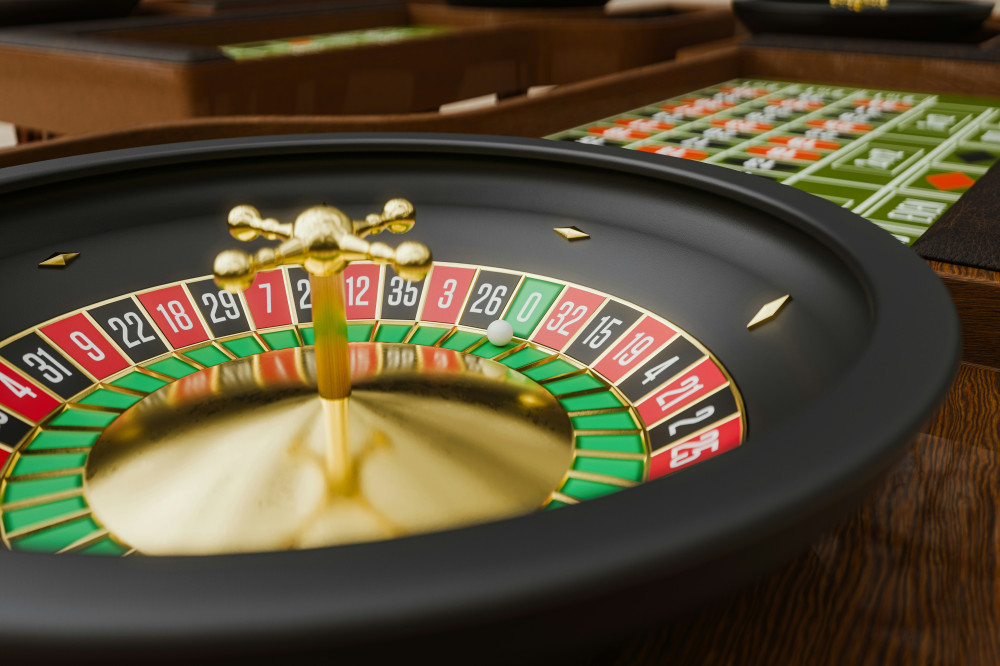
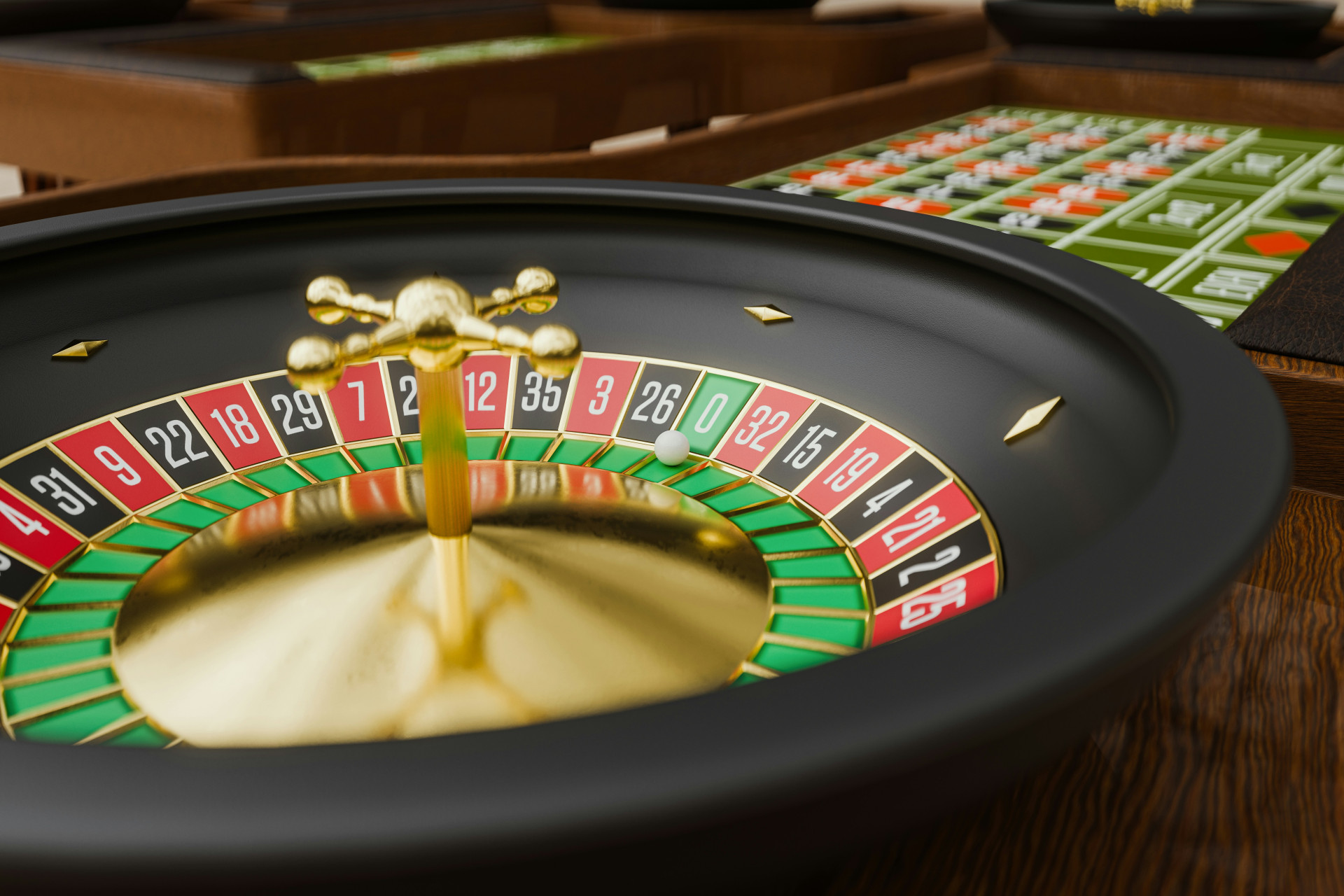
The colors of the roulette table are anything but random. The sharp contrast between red and black is designed to catch the eye and create a rhythm that the player’s brain quickly begins to follow. Red is often associated with energy, excitement, and luck, while black conveys control and risk. When the ball lands on red several times in a row, players may feel that “red is hot” — even though the odds remain exactly the same.
This illusion of patterns and control is a classic example of what psychologists call the gambler’s fallacy — the belief that past outcomes influence future ones in a game of chance. The vivid colors amplify this effect because they make results more visual and emotionally charged. In American casinos, where the green zero and double zero add an extra twist, the color scheme also subtly reminds players that the house always has an edge.
Læs også:


The Sounds That Build Suspense
The sound of the spinning wheel and the clattering ball is central to the roulette experience. In physical casinos, these sounds are carefully tuned to create a sense of anticipation and intensity. The background hum of conversation, the occasional cheer, and the rhythmic spin of the wheel all combine to heighten the emotional stakes. In online versions, developers replicate these sounds digitally — sometimes even enhancing them — to give players the same sense of presence and excitement.
Research in gaming psychology shows that sound can increase both engagement and risk-taking. When players hear familiar sounds associated with winning, the brain releases dopamine — the same neurotransmitter linked to reward and pleasure. Even small wins can feel more significant because sound and light amplify the emotional response.
Movement and Rhythm: When the Body Joins the Game
Roulette is a game in constant motion. The wheel’s rotation and the ball’s unpredictable dance create a rhythm that many players unconsciously sync with. It’s common to see players lean forward, hold their breath, or move their hands in time with the ball — as if they could somehow influence the outcome.
This physical involvement is part of the game’s allure. It gives players a sense of participation, even though the result is purely random. In live online roulette, camera angles and smooth animations are designed to recreate that same feeling of closeness to the action, allowing players to experience the tension and excitement from their own screens.
The Psychology Behind the Decisions
Roulette is a game where every decision — red or black, odd or even, high or low — feels meaningful. Yet in reality, the outcome cannot be influenced. Still, many players believe they can “read” the wheel or sense when luck is about to change.
This perception of control is a key part of the game’s psychology. It provides a sense of purpose and excitement in a situation that is otherwise governed by chance. At the same time, it can lead to overconfidence and risky behavior, especially when players chase losses or believe they are “due” for a win. Casinos, both physical and online, are designed to sustain this delicate balance between hope and randomness.
From Casino Floor to Screen: Senses in the Digital Age
As roulette has moved online, developers have worked hard to preserve the sensory elements that make the game so compelling. The colors are sharper, the sounds more detailed, and the movements smoother. Many platforms now feature live dealers, where high-definition cameras follow the ball in real time, allowing players to feel the thrill right at their fingertips.
But the digital experience also changes the dynamics. Without the physical distance of a casino floor or the social cues of other players, the pace can become faster and decisions more impulsive. That’s why it’s important for players to be aware of how sensory stimulation affects their behavior — and to take breaks before excitement turns into compulsion.
Roulette as an Experience — Not Just a Game
Roulette is more than a game of numbers and probabilities. It’s a sensory experience where color, sound, and movement merge into a kind of ritual. For some, it’s pure entertainment and fascination; for others, it can blur the line between excitement and addiction.
Understanding the psychology of the game doesn’t take away its magic — it reveals it. Roulette is a dance between chance and perception, between the senses and the mind. When played with awareness, it can remain what it was always meant to be: a game that thrills all the senses, while the player stays in control.
Læs også: