From Church Halls to Online Platforms: The Evolution of Bingo in a Global Perspective


From Church Halls to Online Platforms: The Evolution of Bingo in a Global Perspective
For more than a century, bingo has brought people together – from small-town church halls and community centers to modern online platforms with millions of players around the world. Once associated with charity events and senior gatherings, the game has undergone a digital transformation that has made it more accessible and diverse than ever. But how did bingo evolve from a simple numbers game into a global phenomenon that bridges tradition and technology?
From Italian Lotteries to American Church Halls
Bingo’s origins can be traced back to 16th-century Italy, where a lottery game called Il Gioco del Lotto d’Italia was popular among both nobles and commoners. The game spread across Europe, taking on educational and social roles in France and Germany. It wasn’t until the early 20th century, however, that bingo took on the form we recognize today.
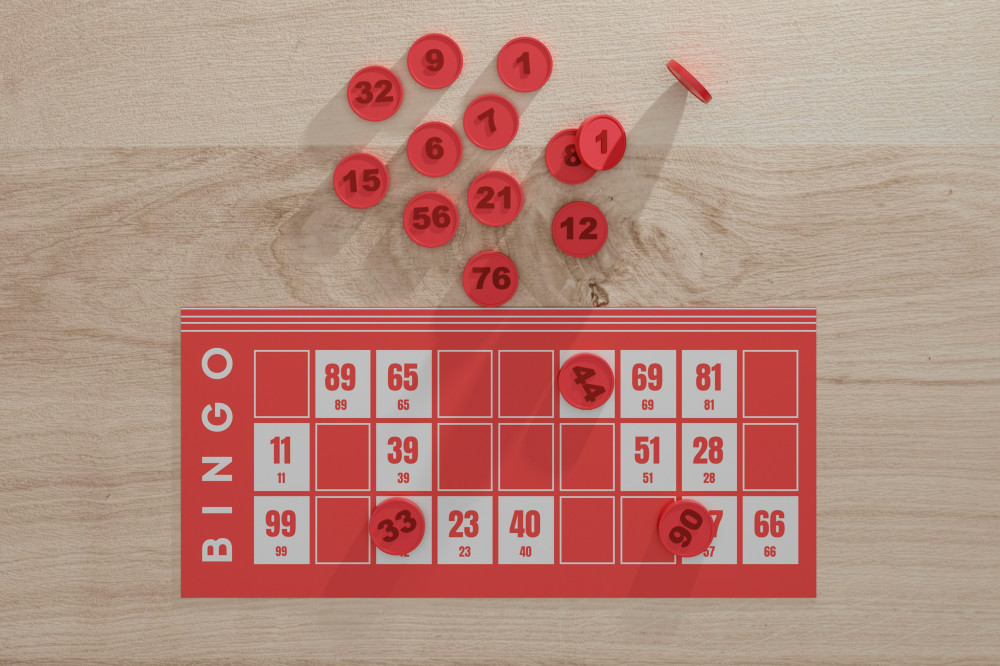
In the 1920s, a New York toy salesman named Edwin S. Lowe encountered a version of the game at a carnival in Georgia. Players would mark their cards with beans and shout “Beano!” when they completed a line. According to legend, one excited player accidentally yelled “Bingo!” instead – and the name stuck. Lowe began producing bingo sets, and the game quickly became a hit, especially in churches and community organizations that used it to raise funds for charitable causes.
A Social Staple of the 20th Century
Throughout the 20th century, bingo became a beloved pastime across the United States. Church basements, veterans’ halls, and local community centers hosted weekly games that brought neighbors together. It was simple, affordable, and social – a game that required no special skills, just a bit of luck and a sense of fun.
In the postwar decades, bingo nights became a fixture of American life. They offered not only entertainment but also a sense of belonging. For many, it was a weekly ritual – a chance to catch up with friends, share stories, and maybe win a small prize. The game’s popularity spread beyond the U.S., taking root in the United Kingdom, Canada, and other parts of the world, each culture adding its own twist.
Læs også:



From Paper Cards to Pixels – The Digital Revolution
The arrival of the internet in the 1990s marked a turning point for bingo. What began as a simple online version of the traditional game soon evolved into a thriving digital industry. Online bingo sites introduced themed rooms, chat features, and real-money prizes, allowing players to connect with others across continents at any time of day.
Mobile technology further expanded bingo’s reach. Apps and social media platforms made it possible to play on the go, while live chat and virtual gifts recreated the social atmosphere of in-person games. The digital shift not only revitalized bingo’s image but also attracted a younger generation of players who discovered the game through smartphones and social networks.
Globalization and Cultural Adaptations
While the core rules of bingo remain the same, the game has taken on many local flavors. In Japan, it’s often played at company parties and holiday events. In Latin America, families gather for lively bingo nights filled with laughter and food. In the U.K., “bingo nights” have evolved into entertainment events that mix music, comedy, and performance.
In the United States, online bingo has seen renewed interest, especially during times when in-person gatherings were limited. Virtual bingo nights organized by schools, workplaces, and community groups helped maintain social connections and a sense of normalcy. This adaptability shows how bingo continues to serve as a social bridge – whether played in a church hall or on a smartphone screen.
The Future of Bingo – Where Tradition Meets Technology
The future of bingo appears to be digital, but its heart remains social. Emerging technologies like virtual reality and live streaming are making it possible to recreate the communal feel of traditional bingo halls in virtual spaces. At the same time, developers are working to preserve the game’s sense of community – the very quality that has kept it alive for centuries.
For many, bingo is still about more than winning. It’s about connection, tradition, and shared experience. That enduring spirit – the joy of coming together, whether in person or online – is what has allowed bingo to thrive for over 500 years. And as technology continues to evolve, so too will the ways we gather to shout that familiar word: “Bingo!”
Læs også: