Kid-Friendly Bingo: A Game That Promotes Cooperation and Community

Kid-Friendly Bingo: A Game That Promotes Cooperation and Community
Bingo isn’t just for senior centers or church halls—it can also be a fun, educational, and community-building activity for kids. When the rules and materials are adapted to children’s ages and interests, bingo becomes a tool that encourages teamwork, focus, and the joy of shared play. Here’s how you can bring kid-friendly bingo into your home, classroom, or community group.
A Game That Brings Kids Together
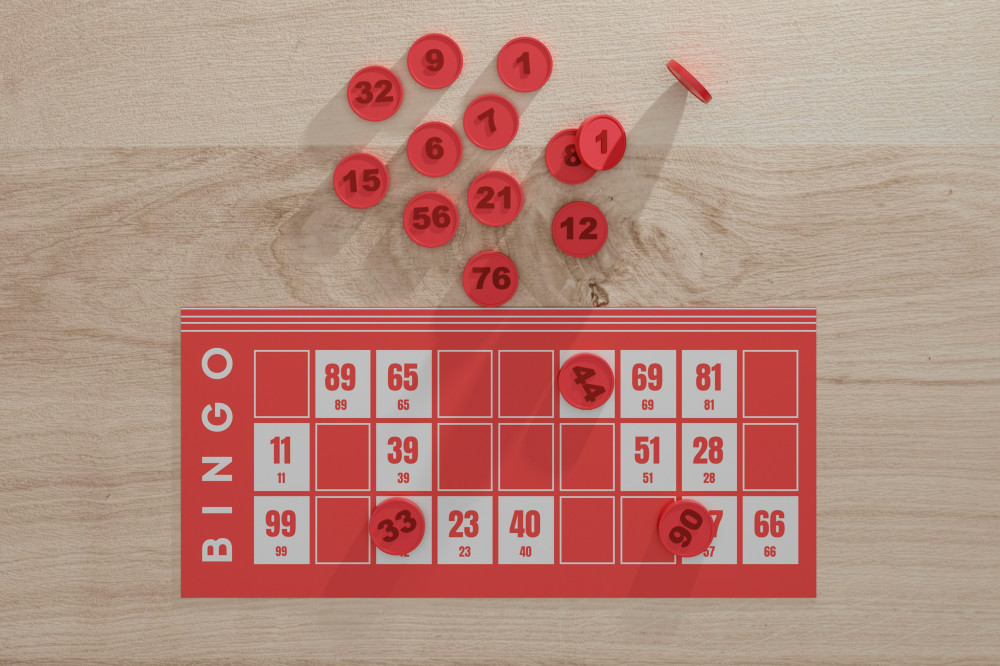
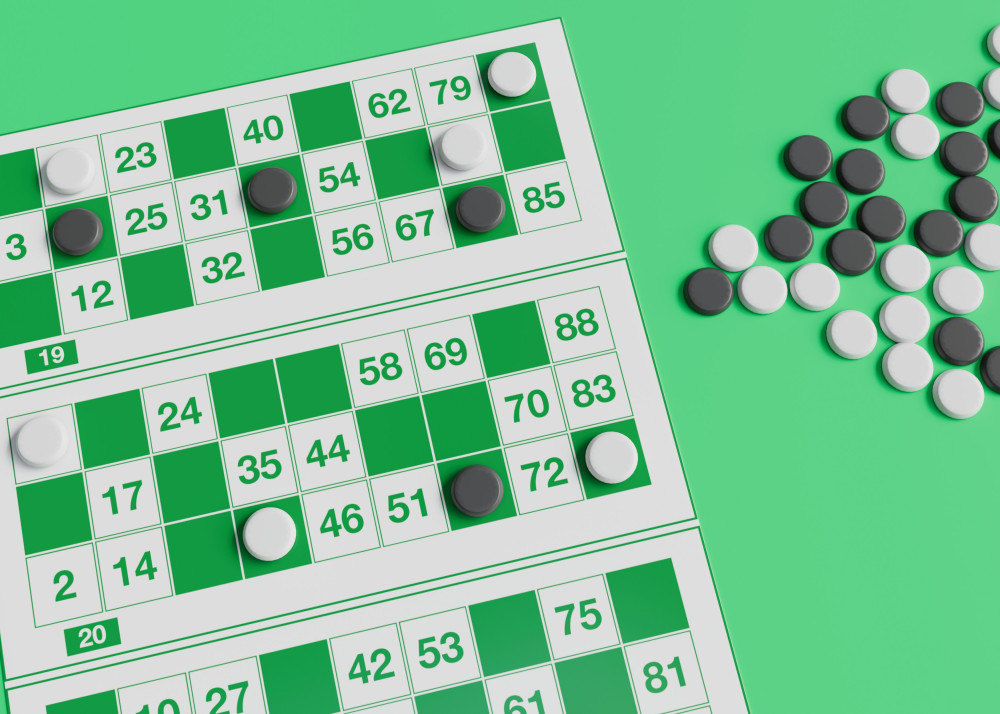
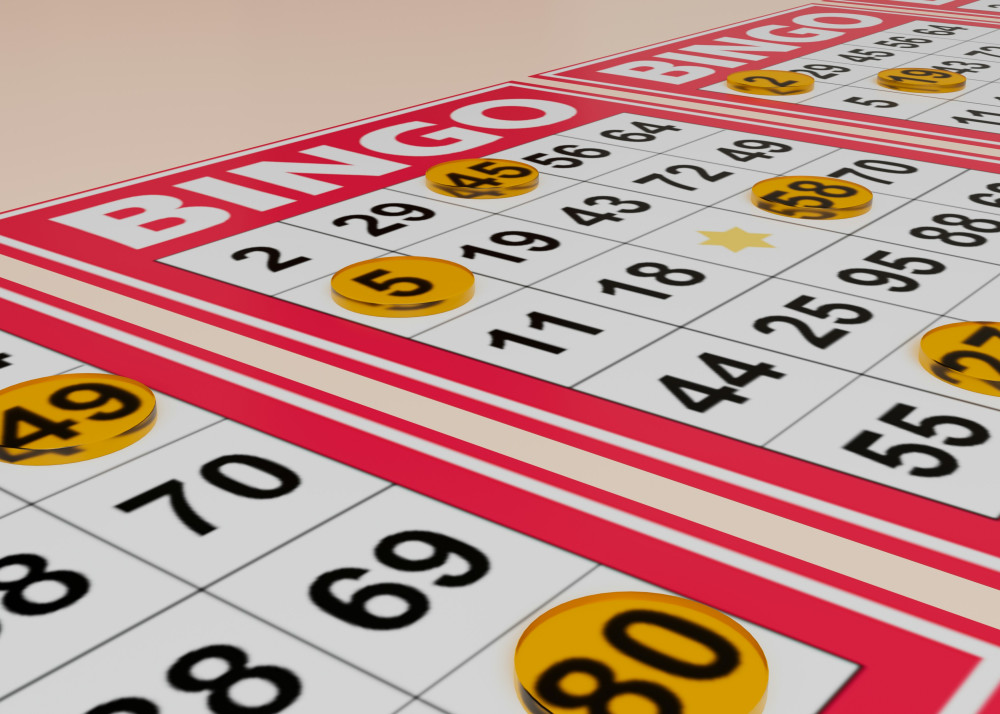
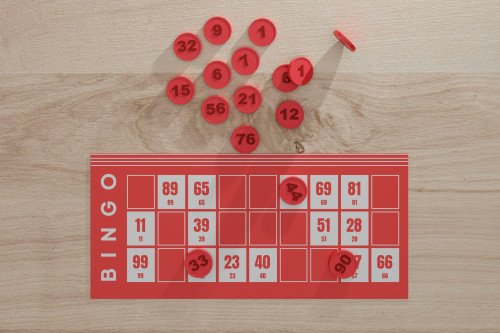
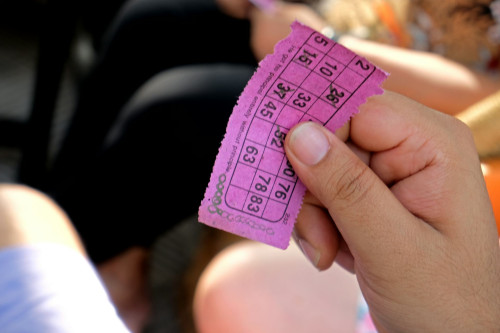
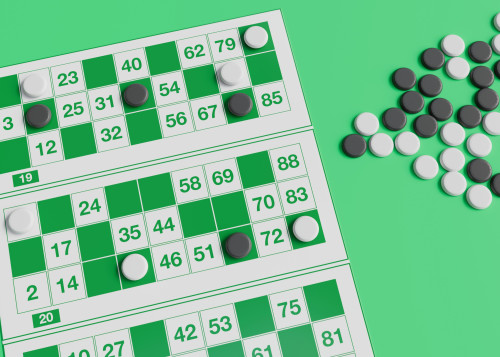
One of the best things about bingo is its simplicity. Everyone can join in—no matter their age, personality, or experience with games. All you need are bingo cards, markers, and a caller to draw numbers or pictures.
When children play bingo together, they learn to take turns, listen carefully, and celebrate others’ successes. The excitement builds as the game goes on, and when someone finally shouts “Bingo!”, the whole group shares in the fun. It’s a social experience that naturally fosters patience, empathy, and connection.
Læs også:
Learning Through Play
Bingo can easily be turned into a learning tool. Instead of numbers, the cards can feature letters, words, animals, colors, or math problems. This transforms the game into a playful way to practice skills without it feeling like homework.
- Alphabet Bingo: Use letters instead of numbers—perfect for kids learning the ABCs.
- Math Bingo: Teachers can call out simple equations, and kids find the correct answers on their cards.
- Nature Bingo: Take the game outdoors and have children look for leaves, rocks, or insects that match the pictures on their cards.
When learning happens through play, children are more engaged and retain information better. Bingo provides a structure where curiosity and collaboration drive the learning process.
Teamwork Over Competition
While traditional bingo focuses on winning, it’s easy to shift the emphasis toward cooperation. Instead of playing individually, children can work in small teams to find the right spaces together. This encourages communication, problem-solving, and shared decision-making.
You can also set collective goals—like having the entire group fill a row before anyone calls “Bingo.” This way, success becomes something everyone achieves together, rather than something that separates winners from losers.
A Tool for Teachers and Caregivers
Educators and youth leaders across the U.S. are discovering bingo as a versatile classroom and group activity. It can serve as a calm transition after recess, a fun wrap-up to a lesson, or a way to strengthen group dynamics.
Bingo also helps children practice social-emotional skills. They learn to follow rules, wait patiently, and handle both victory and disappointment in a supportive environment. For teachers and caregivers, it’s a simple yet powerful way to build community and promote positive behavior.
Create Your Own Kid-Friendly Bingo
Making your own bingo game is easy and customizable. You can design cards by hand or on a computer, tailoring them to themes that interest the children. Here are a few ideas:
- Animal Bingo – with pictures of farm, forest, or zoo animals.
- Storybook Bingo – featuring characters and symbols from favorite children’s stories.
- Feelings Bingo – where kids identify and talk about different emotions.
- Movement Bingo – each square includes a physical action like “jump like a frog” or “spin in a circle.”
Involving children in creating the cards gives them ownership of the game, boosting both engagement and enthusiasm.
A Game That Builds Memories
Kid-friendly bingo isn’t just about filling a card—it’s about laughter, connection, and shared excitement. Whether played in a classroom, at a birthday party, or on a rainy afternoon at home, bingo brings people together and creates lasting memories.
When children experience games that are inclusive and cooperative, they learn something far more valuable than how to win—they learn that community and teamwork are the greatest prizes of all.
Læs også: