Losses and Patience: How to Avoid Chasing Your Losses in Roulette

Losses and Patience: How to Avoid Chasing Your Losses in Roulette
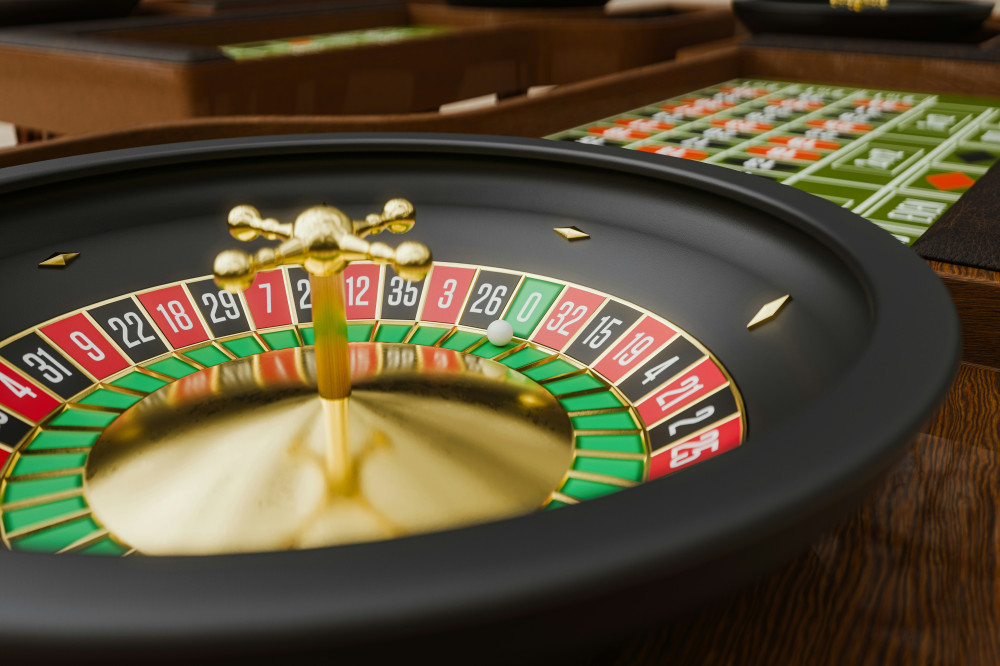
Roulette is one of the most recognizable casino games — a spinning wheel, a bouncing ball, and a moment of suspense where anything can happen. That mix of chance and excitement is what makes it so appealing, but it’s also what makes it risky. Many players fall into the trap of “chasing their losses” — betting more and more in an attempt to win back what they’ve lost. This can quickly lead to frustration, financial trouble, and a ruined gaming experience. Here’s how to understand why it happens and how to keep your cool when playing roulette.
Why We Chase Losses
Chasing losses isn’t about logic — it’s about emotion. When we lose, our brains react as if something unfair has happened, and we feel a strong urge to “make it right.” In roulette, it can seem like a win is “due,” especially if the ball has landed close to your number or color several times in a row. But roulette has no memory — every spin is independent of the last. Believing that you can “catch up” to your losses is an illusion.
Understand the Nature of the Game
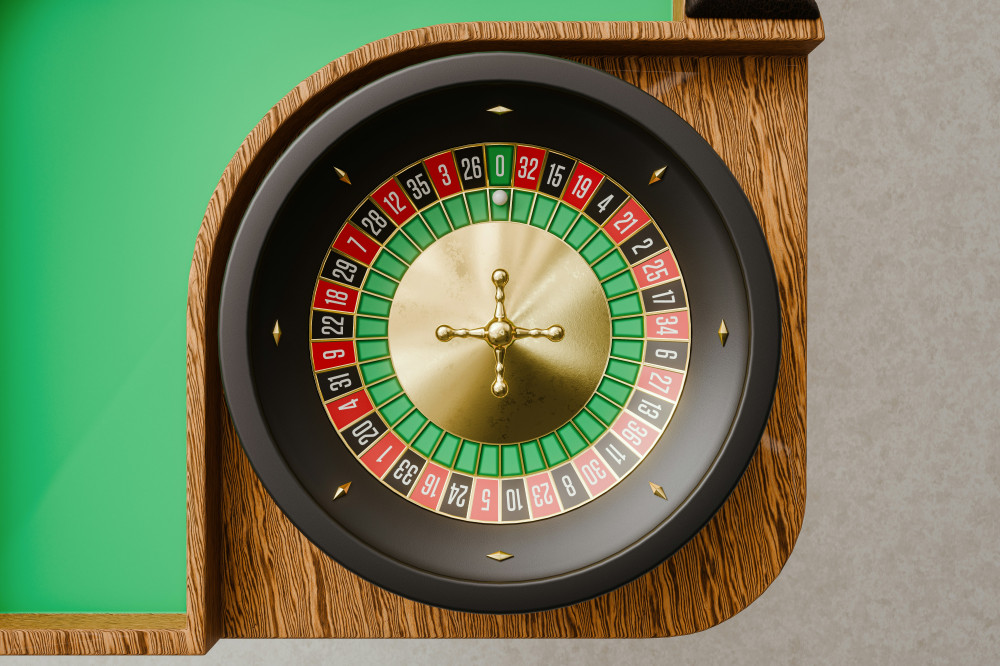
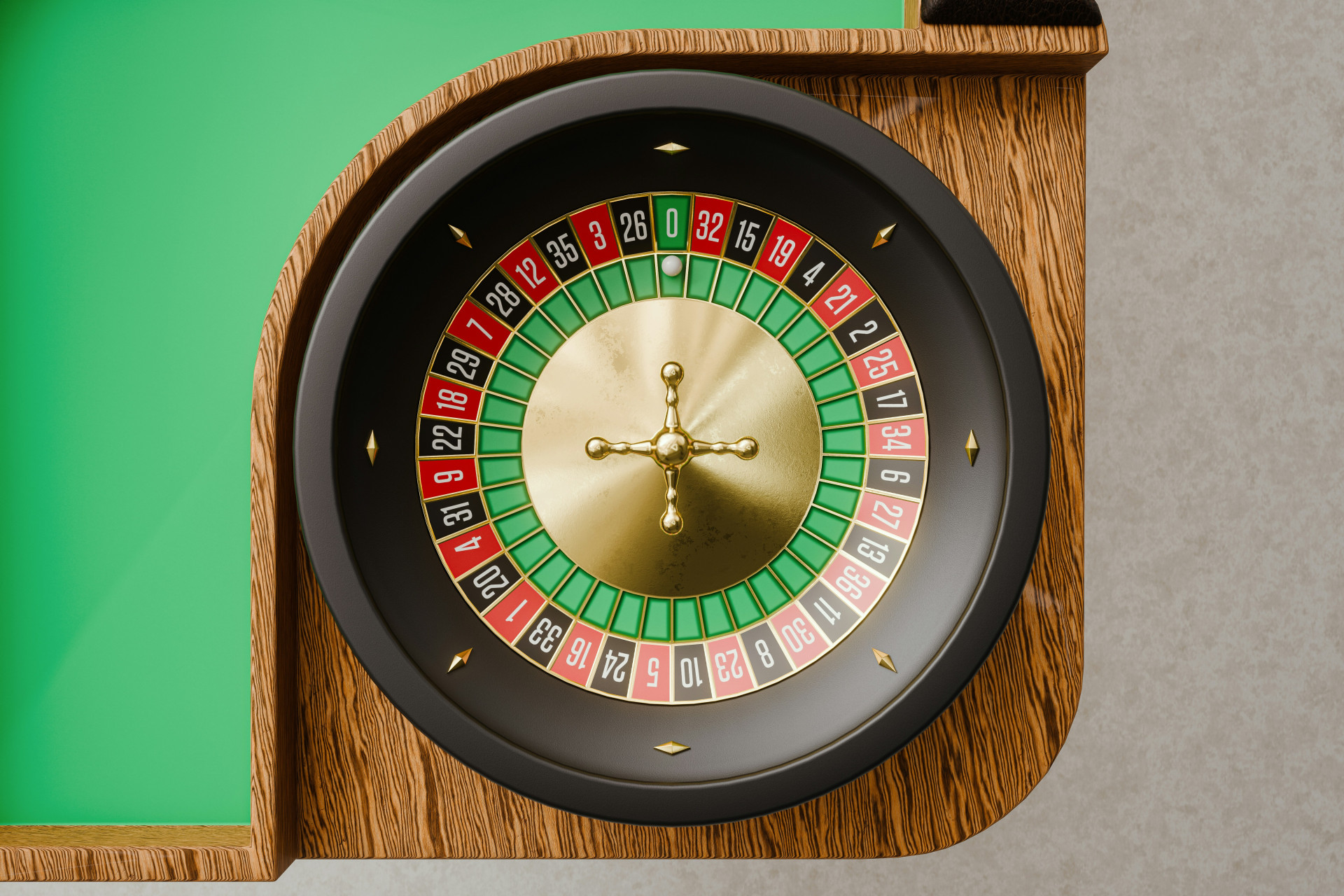
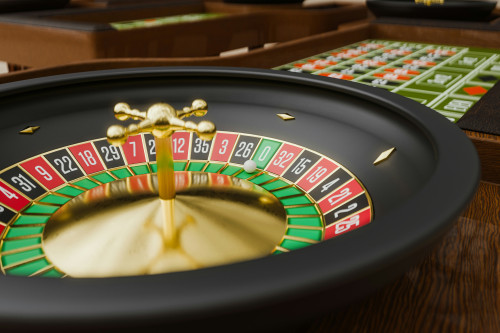
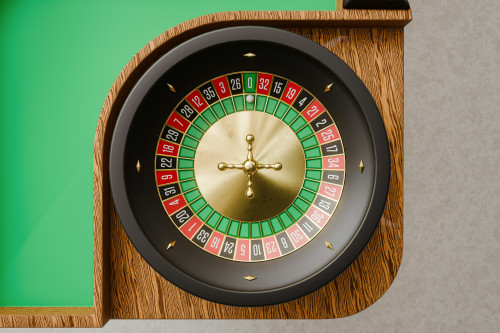
Roulette is a game of pure chance. Whether you bet on red or black, odd or even, the odds are the same on every spin. The house always has a small edge — in American roulette, that’s because of the double zero on the wheel. Over time, that edge ensures the casino wins. That doesn’t mean you can’t have a lucky streak, but it does mean you can’t control the outcome. Accepting that fact is the first step toward responsible play.
Set Limits — and Stick to Them
One of the best ways to avoid chasing losses is to set clear boundaries before you start playing.
- Decide on a budget: Determine how much money you’re comfortable losing and treat it as the cost of entertainment.
- Set a time limit: Roulette can move fast, and it’s easy to lose track of time. Decide in advance when you’ll stop — win or lose.
- Walk away when you’re ahead: It’s tempting to keep playing after a win, but leaving the table with a profit takes discipline.
When you’ve already decided when to stop, it’s easier to stay calm even when the game doesn’t go your way.
Recognize Emotional Triggers
Chasing losses often starts with a feeling — frustration, disappointment, or anger. If you notice yourself betting faster, increasing your wagers, or thinking “I just need to win it back,” that’s a sign to take a break. Learning to pause in the middle of an emotional reaction takes practice, but it’s one of the most valuable skills for anyone who wants to gamble responsibly.
Use Patience as a Strategy
Roulette isn’t about winning every spin — it’s about enjoying the experience without losing control. Patience means accepting the ups and downs that come with the game. Some players find it relaxing to play small bets over a longer period, while others prefer short sessions with planned breaks. Either way, patience protects you from impulsive decisions when losses happen.
When the Fun Fades
If roulette stops feeling like entertainment and starts feeling like a struggle to win back money, it’s time to step away. Most U.S. online casinos offer tools like deposit limits, time reminders, or self-exclusion options. You can also reach out to organizations such as the National Council on Problem Gambling (NCPG) for confidential help and resources. Seeking help isn’t a sign of weakness — it’s a sign of responsibility.
Læs også:
Play for the Experience — Not the Chase
Roulette can be exciting, social, and fun when played with awareness. The key is to see it as an experience, not a way to make money. When you accept that losses are part of the game and that luck can’t be controlled, it becomes easier to stay patient — and to leave the table with peace of mind, no matter the outcome.
Læs også: