Roulette for Beginners: How to Explain the Rules of the Game to New Players

Roulette for Beginners: How to Explain the Rules of the Game to New Players
Roulette is one of the most iconic casino games—a mix of luck, excitement, and a touch of strategy. For new players, though, all the numbers, colors, and betting options can seem confusing at first. Fortunately, the rules are simple once you understand the basics. Here’s how you can explain roulette to beginners so they feel comfortable and confident at the table.
What Is Roulette?
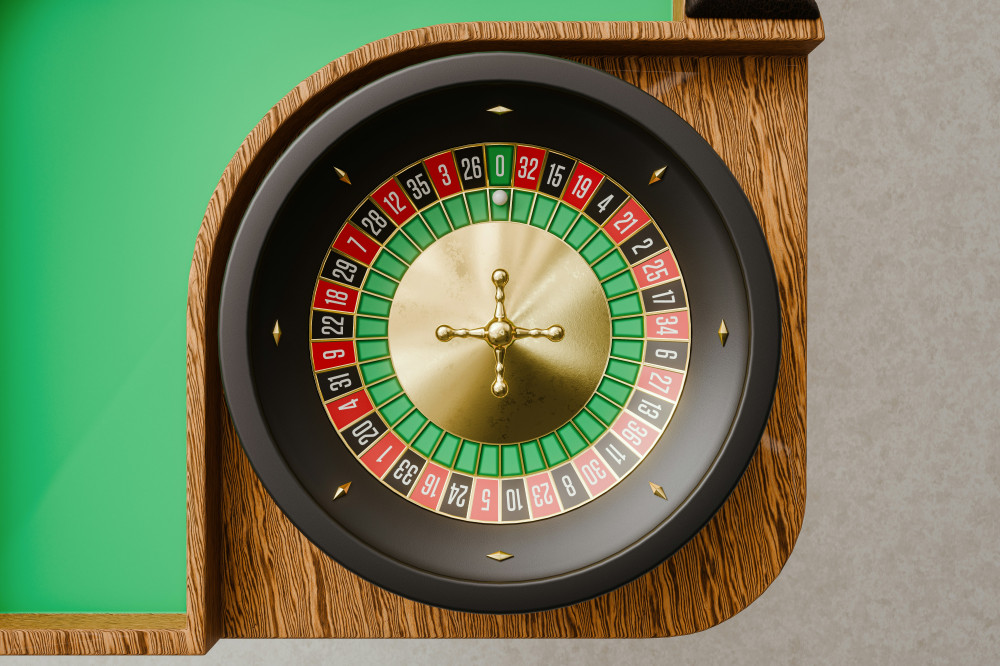
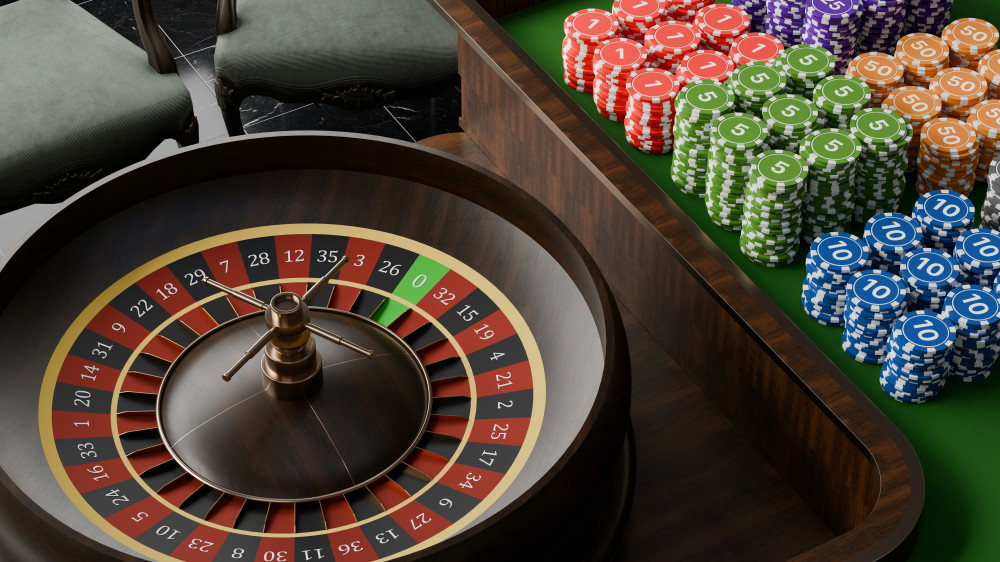
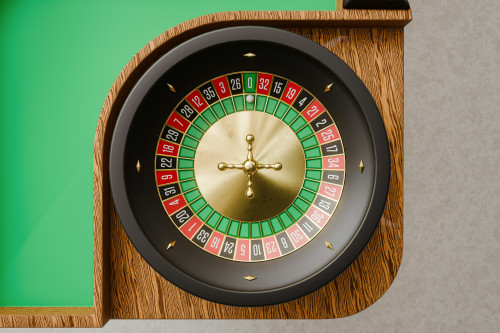
The word roulette means “little wheel” in French, which perfectly describes the game. A wheel with numbered pockets spins in one direction while a small ball is rolled in the opposite direction. When the wheel slows down, the ball lands in one of the pockets, and that number and color determine the winning bets.
There are two main versions of the game: European roulette, which has 37 pockets (numbers 0–36), and American roulette, which has 38 pockets (0–36 plus an extra 00). For beginners, the European version is often recommended because it offers slightly better odds for the player.
How a Round Works
A game of roulette follows a simple and familiar rhythm:
- Players place their bets on the table layout. You can bet on individual numbers, colors, rows, or combinations.
- The dealer (or croupier) spins the wheel and releases the ball.
- The ball lands in a pocket, and the dealer announces the winning number and color.
- Winnings are paid out, and a new round begins.
Each round only takes a few minutes, which is part of what makes roulette so fast-paced and exciting.
Læs også:

Betting Options – From Single Numbers to Colors
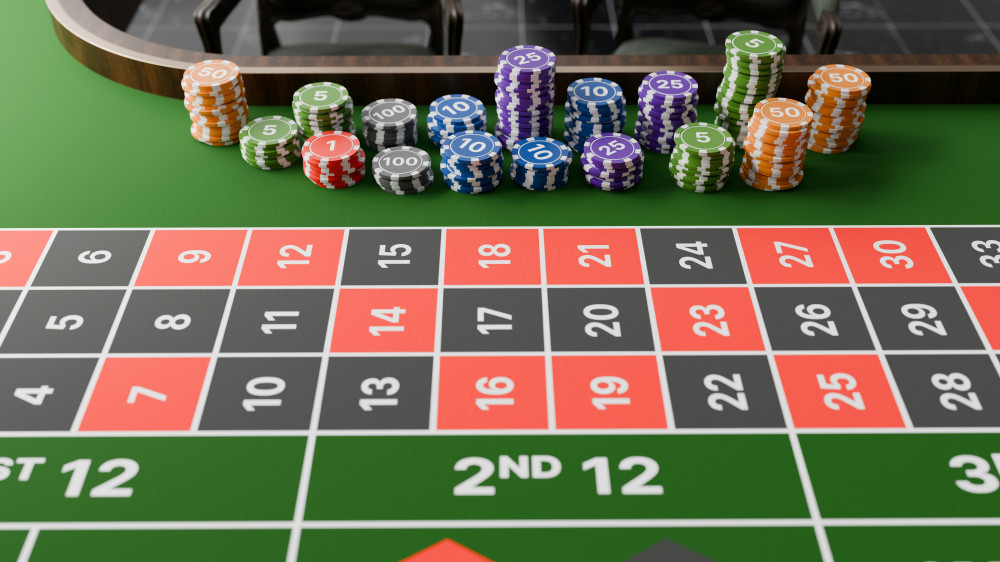
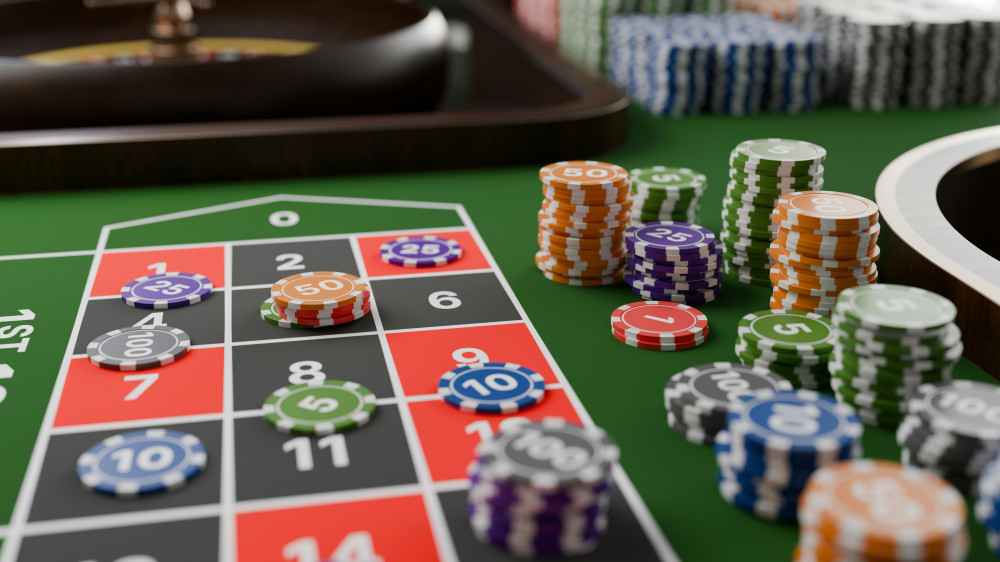
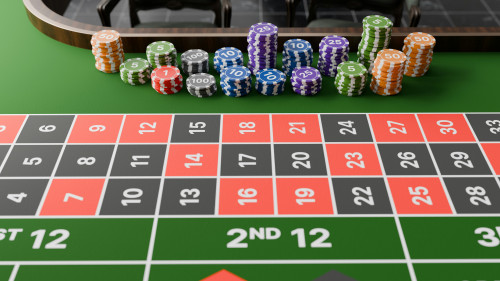
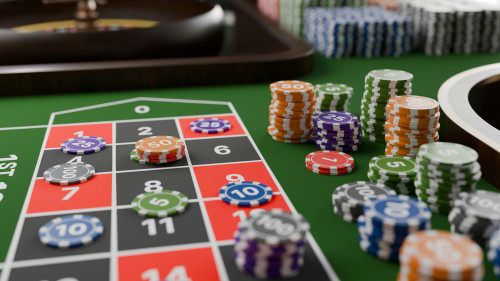
At first glance, the roulette table can look complicated, but it’s actually quite logical. There are two main types of bets:
- Inside bets: These are bets placed on specific numbers or small groups of numbers. For example, you can bet on a single number (straight up), two numbers (split), or four numbers (corner). These bets have higher payouts but lower chances of winning.
- Outside bets: These cover larger groups of numbers, such as red/black, odd/even, or high/low. The payouts are smaller, but the odds of winning are better.
A good way to introduce new players is to have them start with outside bets. They’ll experience more frequent wins and get a better feel for the rhythm of the game.
The Wheel and the Table – How They Connect
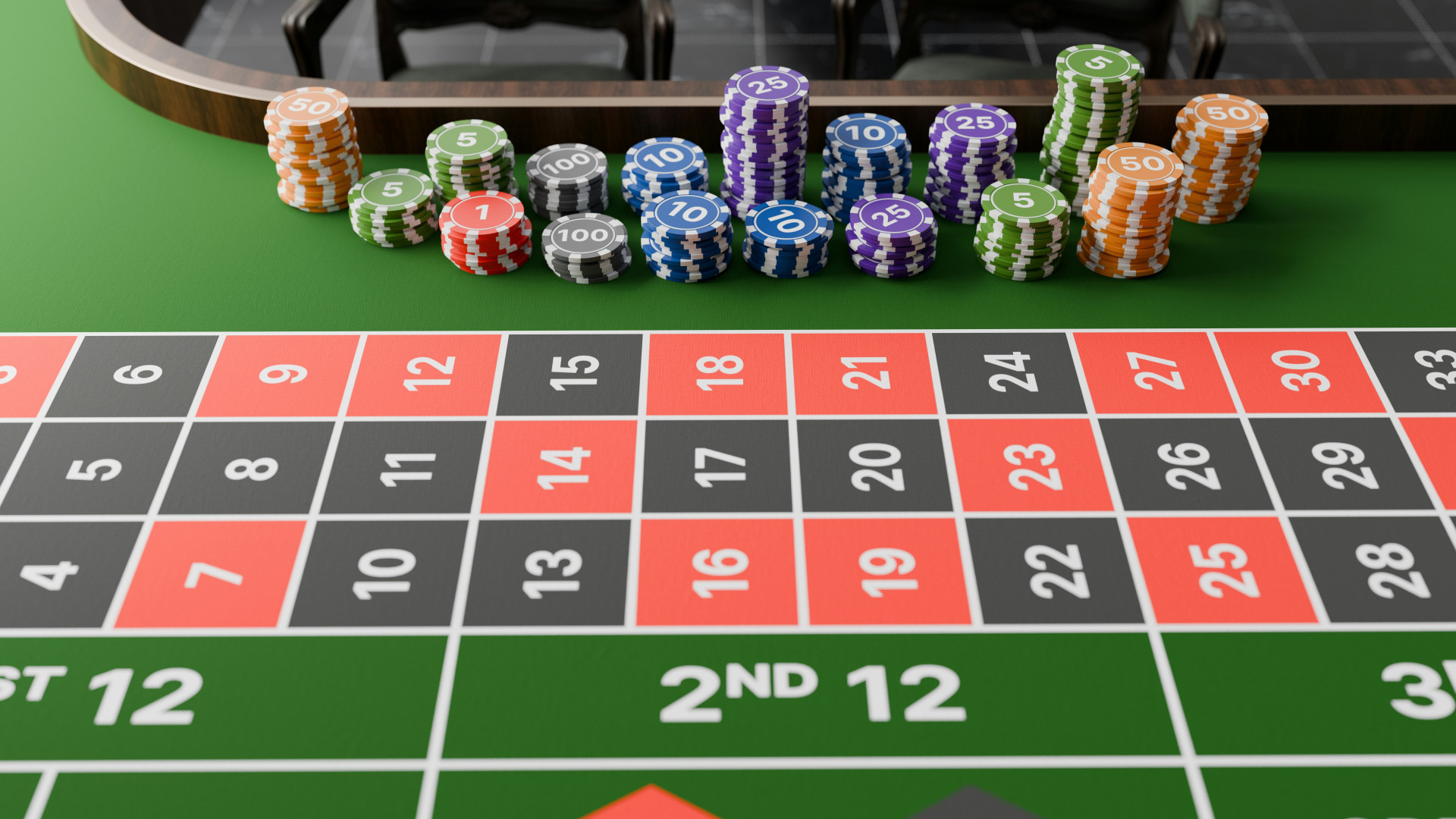
Although the wheel and the table layout look different, they’re closely connected. The wheel displays the numbers in a seemingly random order, while the table organizes them in rows and columns. This makes it easier to place bets on specific patterns or combinations.
When teaching new players, it helps to show how the table acts as a “map” of the wheel. Once they understand that relationship, it becomes much easier to see where to place their chips.
What Does the Zero Mean?
The green 0 pocket is what gives the house its edge. If the ball lands on 0, all even-money bets—like red/black or odd/even—lose, unless someone specifically bet on 0. That’s why roulette is never a true 50/50 game, even though it might look that way.
In American roulette, there’s also a 00 pocket, which increases the house edge slightly. This is another reason why European roulette is often the better choice for beginners.
Simple Strategies for New Players
Roulette is primarily a game of chance, but there are a few simple principles that can make the experience more enjoyable and controlled:
- Start with small bets – Learn the flow of the game before increasing your stakes.
- Stick to outside bets at first – They offer more frequent wins and help build confidence.
- Set a budget – Decide how much you’re willing to spend and stick to it. Roulette should be entertainment, not a way to chase profits.
- Don’t chase losses – Each spin is independent; the wheel has no memory.
These tips help new players stay relaxed and enjoy the game without unnecessary stress.
Creating a Welcoming Atmosphere at the Table
Roulette isn’t just about numbers and payouts—it’s also a social experience. The dealer runs the game, but players often share laughs, excitement, and small rituals. As an experienced player, you can help newcomers feel at ease: explain the rules calmly, show them how to place chips, and remind them that the goal is to have fun.
Roulette as an Experience – Not Just a Game
For many, roulette represents glamour and anticipation, but at its core, it’s a simple and enjoyable game that anyone can learn. When explaining the rules to new players, focus on making the game approachable and fun—so they can appreciate the thrill of watching the ball dance around the wheel.
With a little patience and an understanding of the game’s rhythm, any beginner can quickly become part of the timeless roulette experience.
Læs også: